

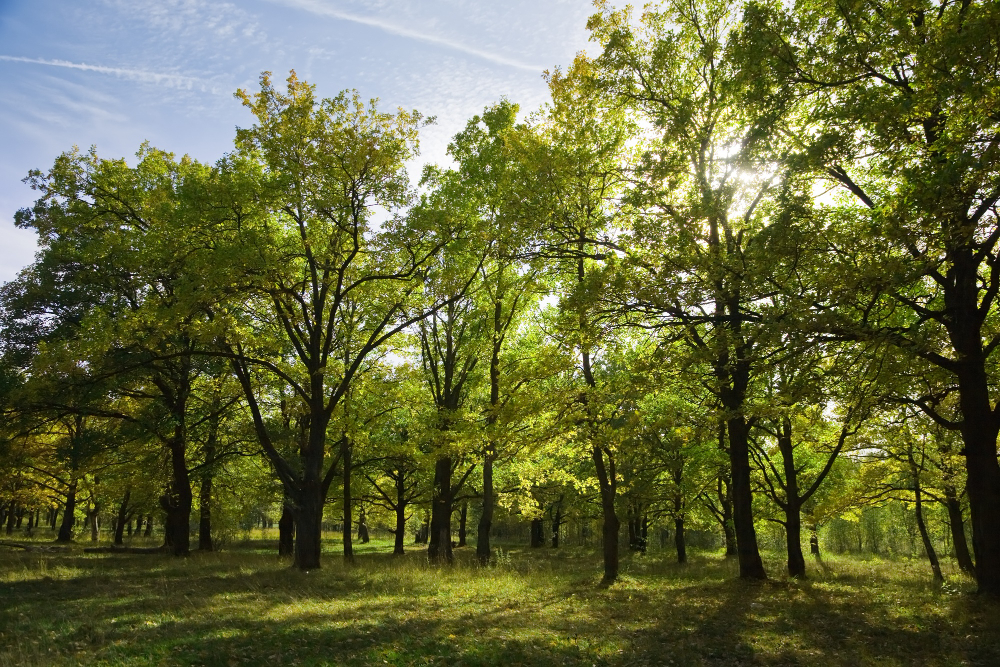
Sydney’s North Shore is defined by its canopy. Living in Ku-ring-gai, Hornsby, or the Northern Beaches means living under giants. However, the very trees that give the region its “leafy” character also require active management to coexist safely with homes, pools, and driveways.
From the towering Blue Gums of Wahroonga to the iconic Jacarandas of Kirribilli, each species presents unique challenges for homeowners. Whether it’s managing the “purple sludge” of a Jacaranda or monitoring the limb health of a massive Angophora, understanding your trees is the first step to maintaining a safe and beautiful property.
This guide outlines the most common species you are likely to encounter in your backyard and provides practical advice on how to manage them effectively.
Why Local Tree Knowledge Matters on the North Shore
The North Shore’s unique topography and climate create specific conditions for tree growth. The region is characterised by steep sandstone gullies, rich clay soils in some areas, and shallow sandy soils in others. This diversity means that a tree thriving in Turramurra might face different stressors than the same species in Mosman.
Furthermore, the proximity to bushland increases the risk of pests and diseases crossing over into residential gardens. Understanding the specific needs of local species helps homeowners identify potential issues early, such as root rot in damp soils or limb drop during summer heatwaves.
Responsible tree care is not just about aesthetics; it is a critical safety measure. Regular maintenance ensures that these magnificent giants remain assets to your property rather than becoming liabilities during Sydney’s storm season.
Common Native Tree Species on the North Shore
Native trees are the backbone of the North Shore’s ecosystem. Many of these species are protected by strict Council Tree Preservation Orders (TPOs), meaning you often cannot prune or remove them without a permit.
Sydney Blue Gum (Eucalyptus saligna)
As the name suggests, the Sydney Blue Gum is a towering native often found in the wetter soils of the Upper North Shore. It is easily identified by its smooth, blue-grey bark and a “sock” of rough, dark bark at the base.
Key Characteristics:
- Rapid Growth: These trees can reach heights of over 40 metres, often outgrowing smaller residential blocks.
- Bark Shedding: They shed long strips of bark annually, which can create significant mess and block gutters.
Maintenance Tips:
- Canopy Thinning: Due to their rapid growth and height, the canopy can act as a “wind sail.” Professional canopy thinning is recommended to reduce wind resistance and minimise the risk of failure during storms.
- Gutter Management: Installing high-quality gutter guards is essential for homes with Blue Gums nearby, as the long bark strips can easily bridge over standard mesh.
- Root Monitoring: Ensure there is adequate space for root expansion, as their large systems can impact nearby structures.
Sydney Red Gum (Angophora costata)
The Sydney Red Gum is perhaps the most iconic tree of the sandstone region. Its smooth, pink-orange bark sheds in patches, revealing new growth underneath, and its twisted, gnarled limbs give it a distinctive, sculptural appearance.
Key Characteristics:
- Kino Bleeding: Stressed trees may “bleed” a red sap known as kino, which can stain driveways and paving.
- Summer Limb Drop: Like many large gums, Angophoras are prone to dropping healthy-looking branches during hot, still weather—a phenomenon known as “summer limb drop.”
Maintenance Tips:
- Deadwooding: Regular deadwooding every 1-2 years is critical. Angophoras tend to hold onto dead wood within the canopy, which can become dangerous debris during high winds.
- Root Protection: These trees have highly sensitive root systems. Avoid soil compaction, paving, or building retaining walls within the “drip line” (the area directly under the canopy), as this can lead to slow dieback.
Turpentine (Syncarpia glomulifera)
A hardy and resilient survivor, the Turpentine is often found in the transition zones between sandstone and shale soils. It is known for its thick, fibrous bark and resistance to marine borers, which historically made it popular for wharf piles.
Key Characteristics:
- Fire Resistance: The thick bark provides excellent insulation against fire, making it a robust species for bushfire-prone areas.
- Dense Canopy: It forms a dense, dark green canopy that provides excellent shade but can limit light for underplanting.
Maintenance Tips:
- Pest Monitoring: While generally hardy, Turpentines should be monitored for common pests like thrips or scale insects that can affect foliage health.
- Canopy Lifting: Occasional lifting of lower branches can help increase light penetration to the garden below without compromising the tree’s health.
Blackbutt (Eucalyptus pilularis)
The Blackbutt is a dominant species in many North Shore forests. It is a large, strong tree identified by the rough, dark bark on the lower trunk that gives way to smooth, white bark on the upper branches.
Key Characteristics:
- Heavy Limbs: As they mature, Blackbutts develop heavy, horizontal limbs that can pose a risk if structurally compromised.
- Fast Regeneration: They regenerate quickly after fire or damage, which contributes to their dominance in the landscape.
Maintenance Tips:
- Structural Assessment: Regular inspections by a qualified arborist are vital to assess the stability of heavy limbs, especially those overhanging structures.
- Deadwood Removal: Like the Sydney Red Gum, keeping the canopy free of deadwood improves safety and aesthetics.
Common Exotic or Ornamental Trees
While natives dominate the skyline, many North Shore gardens feature stunning exotic species introduced for their ornamental value.
Jacaranda (Jacaranda mimosifolia)
Famous for turning streets purple in late spring, the Jacaranda is a beloved feature of suburbs like McMahons Point and Hunters Hill.
Maintenance Tips:
- Selective Pruning: Avoid “topping” or aggressive pruning, which triggers vertical “water shoots” that ruin the tree’s natural umbrella shape and are weakly attached.
- Managing Debris: The “purple sludge” formed by wet, fallen flowers is a major slip hazard. Regular sweeping during flowering season is necessary. If you have a pool, cover it in November to prevent clogged filters.
Liquidambar (Liquidambar styraciflua)
Prized for its spectacular autumn colour, the Liquidambar is a common sight in larger gardens and parks.
Maintenance Tips:
- Root Management: Liquidambars have vigorous, invasive root systems. Avoid planting them near sewer lines or foundations.
- Structural Pruning: Regular pruning helps maintain a strong central leader and prevents the development of co-dominant stems that can split during storms.
Camphor Laurel (Cinnamomum camphora)
Once planted as a shade tree, the Camphor Laurel is now a declared noxious weed in many council areas, including Ku-ring-gai. It is identified by its lush, bright green leaves that smell of camphor when crushed.
Maintenance Tips:
- Removal: In many cases, the best maintenance strategy is removal and replacement with a suitable native species like a Blueberry Ash. Check your local council regulations, as permits may not be required for removal depending on the tree’s size.
- Seed Control: If retained, prevent the spread of seeds by birds by removing flowers or fruit where possible.
How to Maintain Different North Shore Tree Types
Regardless of the species, all trees on the North Shore benefit from a proactive maintenance schedule.
Pruning Requirements
Pruning is not just about size control; it is about tree health.
- Timing: For most flowering trees, prune after flowering has finished. For natives like Eucalypts, avoid pruning during peak summer heat to reduce stress.
- Technique: Always use correct pruning cuts (to the branch collar) to encourage healing and prevent decay. Improper “lopping” is dangerous and creates weak regrowth.
Watering and Soil Needs
Sydney’s summers can be harsh.
- Mulching: Create a mulch ring around the base of your trees (keeping mulch 10cm away from the trunk) to retain moisture and regulate soil temperature. This also prevents damage from lawnmowers.
- Watering: During drought periods, deep watering is more effective than frequent shallow sprinkling. This encourages deep root growth, improving stability.
Pest and Disease Management
The North Shore’s humid climate can encourage fungal issues.
- Common Pests: Watch for lerps (small white coverings on leaves), borers (holes in the trunk with sawdust), and scale insects.
- Root Rot: In areas with poor drainage, Phytophthora root rot can be a silent killer. improving drainage and soil health is the best defence.
Safety Considerations for Mature North Shore Trees
Large trees are dynamic living structures. As they age, they can develop defects that are not visible to the untrained eye.
- Storm Risks: High winds can expose weaknesses in branch unions or root plates.
- Hidden Decay: Fungal brackets on the trunk or roots often indicate significant internal decay.
- Soil Changes: Construction or excavation nearby can sever roots, destabilising the tree years before symptoms appear.
Regular professional assessments are the only way to accurately gauge the risk profile of a mature tree.
When to Call an Arborist for Professional Care
While basic garden maintenance can be handled by homeowners, specific scenarios require the expertise of a qualified arborist.
You should book a professional inspection if:
- You have large trees overhanging your home: A Tree Pruning expert can specify weight reduction or canopy thinning to reduce risk.
- You notice changes in the tree: Dieback in the tips of branches, excessive deadwood, or cracks in the soil around the base are warning signs.
- You are planning construction: An Arborist Report is often required by council for development applications to ensure trees are protected.
- Storm damage has occurred: Broken or hanging branches (“hangers”) are immediate hazards that require safe Tree Removal or restoration pruning.
Conclusion
Understanding the specific needs of the trees on your property—whether they are towering Blue Gums or ornamental Jacarandas—is key to enjoying the benefits of the North Shore’s leafy canopy safely. proactive care, correct pruning, and regular inspections will ensure your trees remain healthy, stable, and beautiful for generations to come.
If you are unsure about the health of your trees or need advice on council regulations, contact GM McColl Tree Services today to arrange a consultation with a local expert.