

For residents of Sydney’s North Shore—spanning Ku-ring-gai, Hornsby, and the Northern Beaches—the holiday season often brings more than just festivities. December and January mark the peak of storm season. The region’s defining feature, its canopy of massive Gum trees and Angophoras, becomes a significant liability when summer storms bring high winds and sudden downpours.
While the lush greenery defines the character of suburbs like Turramurra and Wahroonga, it requires proactive management. A large tree does not need to look sick to be dangerous. Often, structural weaknesses are invisible to the untrained eye until high winds expose them.
This guide provides a comprehensive safety checklist to help you secure your home before the holidays. It details specific risks associated with native trees, explains how to identify warning signs, and clarifies exactly who to call in an emergency.
Why Storm Preparation Matters for North Shore Homes
Sydney’s summer climate is a potent mix of environmental stressors that can compromise tree stability. The season is characterised by prolonged heatwaves, high humidity, and unpredictable, violent storms. According to the Bureau of Meteorology, severe thunderstorms in this region frequently bring damaging wind gusts exceeding 90 km/h, large hail, and intense rainfall that leads to flash flooding.
These conditions create a “perfect storm” for tree failure. High winds exert immense pressure on heavy canopies, while saturated soils reduce the ground’s ability to anchor large root systems. For older trees, or those with pre-existing defects, the added stress can lead to catastrophic failure. Preparing your trees now reduces the likelihood of damage to your home, vehicle, or fence line during the holiday period.
The “Red Flag” Safety Checklist
You do not need to be a qualified arborist to spot immediate danger. We recommend walking around your property and inspecting your trees for these specific zones of weakness.
Zone 1: The Canopy (Look Up)
The canopy acts as a sail in the wind. If it catches too much force, the trunk or branches may fail.
- “Widow Makers”: Look for dead branches that are still attached but appear brittle, leafless, or discoloured. These are often the first to fall during a storm and pose a significant risk to people and property below.
- Hangers: These are broken branches that have detached from the main stem but are caught in the lower forks of the tree. A strong gust of wind will easily dislodge them.
- The “Wind Sail” Effect: If a tree has an extremely dense canopy where you cannot see the sky through the leaves, it catches the full force of the wind. Tree Pruning is often required to thin the canopy, allowing wind to pass through the tree rather than pushing against it.
Zone 2: The Trunk (Look at Eye Level)
The trunk supports the immense weight of the tree. Any defect here can lead to total failure.
- V-Shaped Forks: Trees with a “V” shaped union, where two trunks grow closely together, are structurally weaker than “U” shaped unions. The bark trapped between the stems prevents strong wood attachment, making them prone to splitting down the middle in high winds.
- Bleeding or Cavities: Sap oozing from the bark or visible hollows can indicate internal rot or termite activity. This suggests the trunk may be hollow and structurally compromised.
- Cracks: Any vertical crack in the trunk is a serious warning sign. It often indicates that the tree is already in the process of failing under its own weight.
Zone 3: The Roots (Look Down)
A healthy tree needs a solid foundation. If the roots fail, the entire tree topples.
- Heaving Soil: If the ground around the base of the tree looks cracked or lifted (mounding) on one side, the tree is unstable and moving in the soil. This is an emergency situation.
- Fungi: Mushrooms or conks growing at the base of the trunk or on exposed roots often feed on decaying wood. This can mean the structural roots are rotting, leaving the tree without an anchor.
- Soggy Ground: After heavy rain, North Shore clay soils become saturated. Large trees can fall simply because the soil turns to liquid and loses the friction needed to hold the roots in place.
Understanding “Summer Limb Drop”
North Shore residents must be particularly aware of a phenomenon known as Summer Limb Drop (or Sudden Limb Drop). This occurs when large Eucalypts (Gums) and Angophoras drop massive, healthy-looking branches on hot, still summer days—often without any storm activity.
It is widely believed to be a drought stress reaction. The tree reduces its water demand by shedding a massive limb to preserve the rest of the organism. Because this happens without warning, it is critical not to place holiday lunch tables, play equipment, or park cars directly under the overhang of large Gum trees, even on calm days.
Pruning and Maintenance Before Storm Season
Strategic maintenance is the most effective way to mitigate storm risk. However, it is important to understand what creates safety versus what creates harm. Indiscriminate lopping can make a tree more dangerous in the long run by creating weak regrowth.
Correct Tree Services involve weight reduction and canopy thinning. By selectively removing branches, an arborist reduces the lever arm on the trunk, making the tree more aerodynamic. This maintenance should focus on removing deadwood, clearing branches that overhang roofs or service lines, and improving the tree’s overall structure.
Why Soil and Drainage Matter
Soil conditions play a massive role in tree stability during storms. When soil becomes waterlogged, it loses its structural integrity. Strong winds combined with saturated ground are a primary cause of whole-tree failure (uprooting).
Blocked drains or pooling water near the base of a tree can exacerbate this issue. Ensure that your property’s drainage systems are functioning correctly and that water flows away from the base of large trees. If you notice pooling water or soil erosion around the root zone, it may be necessary to consult a professional to assess the stability of the tree.
Pre-Holiday Action Plan
If you are planning to go away for the holidays, complete these tasks to “storm-proof” your property before you leave.
- Deadwooding: Arrange for a professional to remove dead wood from large trees. This prevents debris from becoming airborne missiles in high winds.
- Clear Gutters: The leaf litter from North Shore trees blocks gutters rapidly. If a storm hits while you are away, blocked gutters can cause backflow flooding into your ceiling cavity.
- Secure Loose Items: Trampolines and outdoor furniture are common causes of window damage during storms. Secure them firmly or pack them away if you are leaving the property.
- Check Your Insurance: Review your home insurance policy to ensure it covers “removal of debris.” Some insurers only pay to remove the tree from the house structure, leaving you with the cost of removing the timber from your yard.
When to Call a Professional Arborist
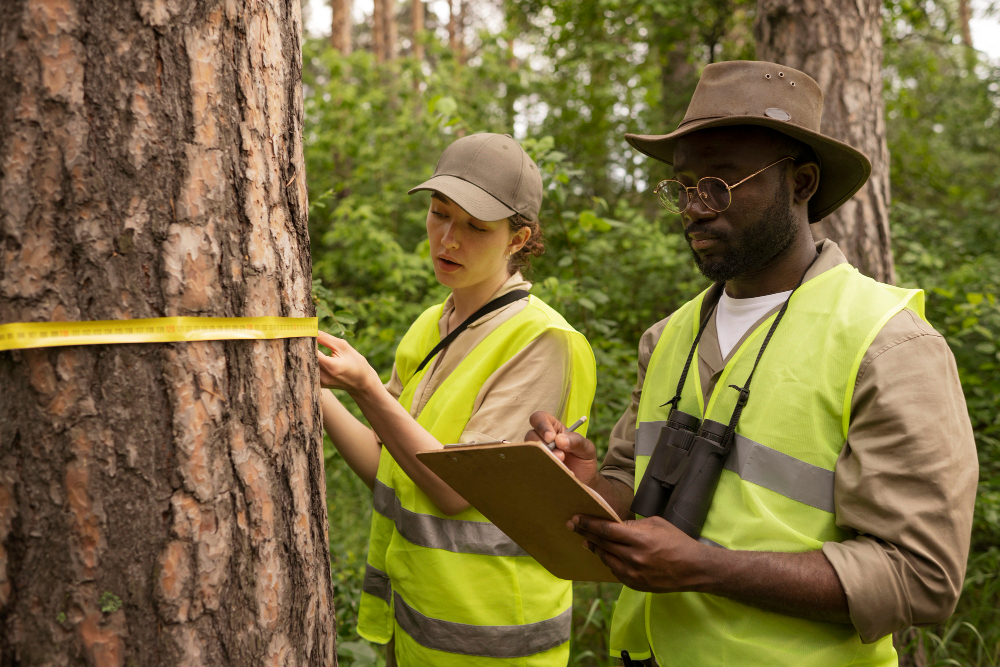
While a visual inspection is a great first step, some situations require expert assessment tools and knowledge. You should engage Arborist Services if:
- You own large trees that overhang your home or a neighbour’s property.
- You suspect a tree is dead or in decline (browning leaves, dropping twigs).
- You identify any of the “Red Flags” mentioned in the checklist above.
- Your trees have not been inspected or pruned in the last two years.
Professional arborists use diagnostic tools to assess internal decay and calculate risk loads that are not visible from the ground.
Emergency Protocols: Who to Call?
In the event of a storm, knowing who to call can save you significant time and confusion. There is a distinct difference between the responsibilities of the SES and a private arborist.
Call the SES (132 500) if:
- A tree has fallen onto your house or car.
- A fallen tree is blocking access to your property or the road.
- The situation poses an immediate threat to life or safety.
- Note: The SES will make the site safe (e.g., cutting the tree off the roof and tarping the damage), but they generally do not remove the green waste. You will likely need a private arborist to chip and remove the wood later.
Call a Private Arborist for Emergency Tree Removal if:
- A tree has fallen in your yard but has not damaged the house or blocked access.
- A tree is swaying excessively or looks dangerous but has not yet fallen.
- You need the debris removed after the SES has attended.
Call Ausgrid (13 13 88) if:
- A tree is touching or has brought down power lines. Do not approach the tree.
North Shore Council Rules
Before pruning or removing trees, you must be aware of local regulations. Councils such as Ku-ring-gai, Northern Beaches, and Hornsby have strict Tree Preservation Orders. Most native trees over 5 metres tall are protected, and you cannot remove them simply because they appear large or intimidating.
There is a common misconception regarding the “10/50 Vegetation Clearing Code.” While this rule allows some homeowners in designated Bushfire Zones to clear trees within 10 metres of their home without approval, it is not a blanket rule. You must verify your eligibility via the Rural Fire Service online tool. clearing trees without the correct entitlement can result in significant fines.
Summary
The holidays should be a time of relaxation, not emergency repairs. By taking the time to inspect your trees and address structural weaknesses now, you significantly reduce the risk of damage during the summer storm season. If you spot any red flags or are unsure about the stability of a tree, arrange for a professional inspection immediately. Prevention is always safer and more cost-effective than an emergency call-out.