

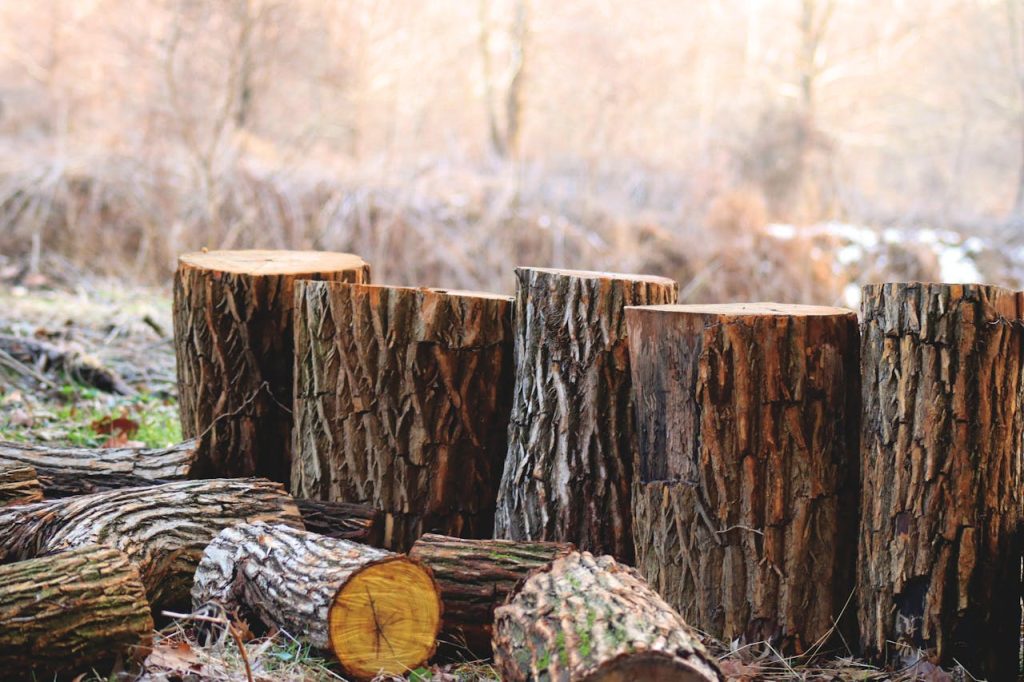
Sydney’s summer is defined by long, sun-drenched days and warm evenings. However, this classic Australian climate also brings intense heatwaves, sudden storms, and rapid vegetation growth, creating a high-risk environment for tree failure. For professional arborists, the summer months are by far the busiest, driven by an urgent need to manage the effects of this severe weather.
This article explains why summer triggers the highest demand for tree removal services across Sydney. By understanding the key factors, from heat stress and storm damage to accelerated growth, homeowners can better recognise potential hazards and take proactive steps to protect their properties.
How Summer Weather Creates High Tree Risks
Sydney’s summer climate is a potent mix of environmental stressors that can compromise tree stability. The season is characterised by prolonged heatwaves, high humidity, and unpredictable, violent storms that bring heavy rain and strong winds. These conditions combine to weaken even healthy-looking trees.
The intense heat dehydrates trees, while sudden downpours can oversaturate the soil. When the ground becomes waterlogged, the root systems that anchor trees can lose their grip, making them susceptible to uprooting, especially when high winds hit.
This is particularly true for the large, established trees found across Sydney’s North Shore, where older root systems may already be compromised. The combination of saturated soil and powerful wind gusts creates the perfect conditions for catastrophic tree failure.
Heat Stress and Its Impact on Tree Decline
During summer, prolonged periods of extreme heat place immense stress on trees. High temperatures cause trees to lose water faster than their roots can absorb it, leading to dehydration. The visible signs of this heat stress include wilting leaves, a thinning canopy, and branches that become dry and brittle.
This lack of water weakens a tree’s natural defence mechanisms, making it more vulnerable to pests and diseases. For species common in Sydney, such as eucalypts and various gum trees, this stress can be severe. As their structural integrity declines, the risk of sudden branch drop or complete failure increases significantly. Often, what begins as heat stress escalates to the point where emergency tree removal becomes the only safe option to prevent property damage or injury.
Storm Season: The Main Driver of Summer Tree Removal
The primary driver of emergency tree removal in Sydney during summer is the storm season. From November to April, the city experiences frequent and intense thunderstorms, often accompanied by destructive winds, torrential rain, and lightning strikes. These events are responsible for the majority of significant tree failures.
Strong winds can snap branches and even split trunks, while heavy rain loosens the soil around the tree’s base, weakening its hold. This reduced anchor strength makes trees far more likely to be uprooted during a storm.
Arborists see a dramatic spike in emergency call-outs during these months for fallen trees and limbs that have damaged roofs, cars, fences, and powerlines. Proactive tree inspection and pruning are crucial to mitigate these risks before a storm hits.
Rapid Summer Growth Can Mask Structural Weakness
The warm, sunny conditions of summer accelerate tree growth, leading to lush, dense canopies. While this might suggest a healthy tree, it can actually hide underlying structural problems. Rapid growth can mask issues like internal decay, fungal infections, hollow trunks, or unstable branch unions that compromise a tree’s stability.
A dense canopy also acts like a sail in high winds, catching the force of gusts and placing enormous strain on the trunk and branches. This effect, known as “wind loading,” significantly increases the risk of limb failure or uprooting during a storm. An arborist assessment is essential to identify these hidden dangers that are not always visible to the untrained eye.
Common Summer Tree Hazards to Watch For
Homeowners should be vigilant for specific warning signs that indicate a tree may be hazardous, particularly during summer. Here is a list of high-risk signs that warrant an urgent professional inspection:
- Cracked or hanging branches: These are immediate failure risks and can fall without warning.
- A noticeable lean: If a tree is leaning more than usual, it could signal root instability.
- Soft or shifting soil: Waterlogged soil around the base indicates a weakened anchor.
- Dead or brittle branches: Deadwood is weak and likely to snap in high winds.
- Fungal growth or cavities: Mushrooms or rot on the trunk are signs of internal decay.
- Branches touching property: Limbs near roofs, sheds, or powerlines pose a direct threat.
- Fresh splits or cracks: These indicate the tree is under immense structural stress.
Each of these hazards becomes more acute during summer, as heat and storms can quickly turn a potential risk into an immediate danger.
When Is Tree Removal Necessary in Summer?
While arborists always prioritise preservation, there are situations where tree removal is the only responsible course of action. If a tree shows signs of significant structural decay, has a compromised root system, or has been severely damaged by a storm, it may pose an unacceptable risk to people and property.
During the peak of storm season, quick response times are critical. A tree that has been weakened by one storm is highly vulnerable to complete failure in the next. Scheduling an early assessment with a qualified arborist can help you avoid a dangerous and costly emergency situation.
Preparing Your Property for Summer Storms
Proactive preparation is the most effective way to protect your property from tree-related storm damage. Before the summer storm season intensifies, homeowners should take these practical steps:
- Schedule a professional tree inspection to identify potential hazards.
- Arrange for the pruning of dead, damaged, or overgrown limbs.
- Check the ground around your trees for signs of soil instability.
- Clear away debris and dead vegetation that could become projectiles in high winds.
Addressing these small issues early can prevent them from escalating into major hazards during a storm. Taking preventive action is always safer and more cost-effective than dealing with the aftermath of a tree failure.
Why You Need a Professional Arborist
Assessing and removing a tree, especially a large one, requires specialised skill, equipment, and a deep understanding of tree biology and physics. DIY tree removal is extremely dangerous and can lead to severe injury or property damage, particularly in the challenging conditions of summer.
A qualified arborist can identify subtle signs of weakness or disease that an untrained homeowner would likely miss. They are trained to conduct thorough risk assessments and determine the safest method for pruning or removal. For the large, established trees common across Sydney’s North Shore, this expertise is invaluable. Relying on a professional ensures the job is done safely and efficiently.
Stay Ahead of Summer Tree Risks
Summer in Sydney brings a unique set of challenges that elevate the risk of tree failure. The combination of extreme heat, powerful storms, and rapid growth makes this the peak season for tree removal. By understanding these risks and taking proactive measures, you can ensure the safety and stability of your property.
If you have concerns about the trees on your property, don’t wait for a storm to force your hand. Contact GM McColl Tree Services for an expert arborist assessment and professional advice to prepare your property for the season ahead.