

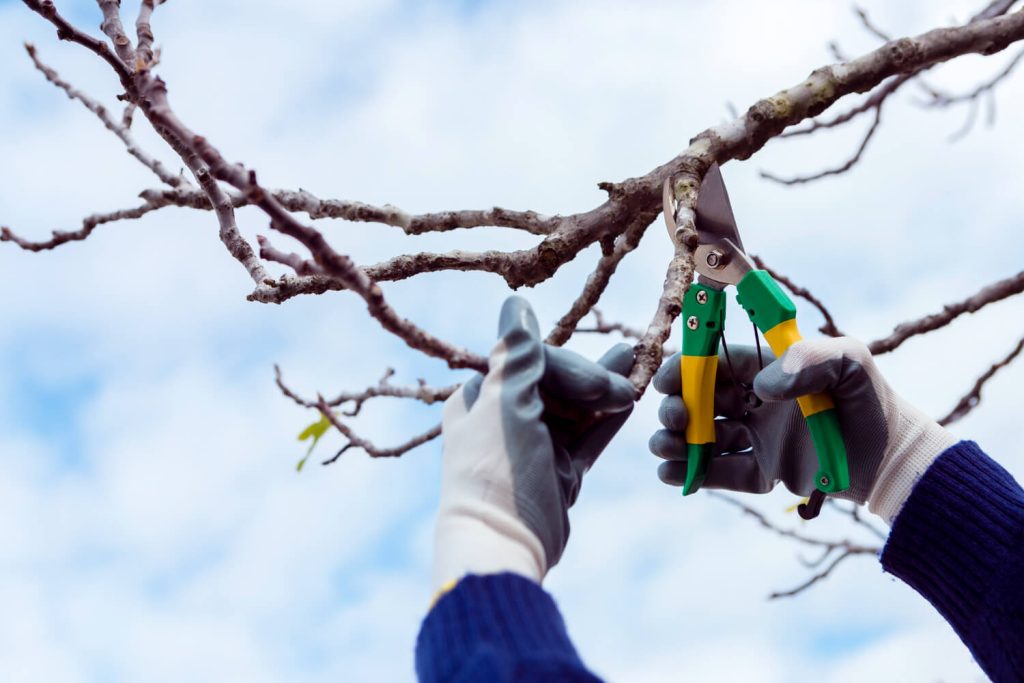
In the leafy suburbs of Sydney’s North Shore, trees are often the defining feature of a property. They offer shade, privacy, and character, but managing them can be a challenge. When a large gum tree starts dropping branches on your driveway or a dense canopy blocks all sunlight from your lawn, it’s natural to ask: Do I need to remove this tree, or can it be saved with a good prune?
It is a common dilemma for homeowners. On one hand, you want to preserve the natural beauty and value of your garden. On the other, you need to ensure the safety of your home and family.
The good news is that you don’t always have to choose between a bare yard and a dangerous one. Both tree pruning and tree removal have their place in garden management. The right choice depends entirely on the health of the tree, its location, and the level of risk it poses.
This guide explores the key differences between these two services, helping you understand which option is best suited to your specific situation before you call in the experts.
The Difference Between Pruning and Removal
To make an informed decision, it is essential to understand what each service actually entails. While they both involve cutting, the goals and outcomes are vastly different.
Tree Pruning is a maintenance strategy. It involves the selective removal of specific branches to improve the tree’s structure, health, or safety. Professional pruning—often referred to as remedial or restorative work—aims to keep the tree standing while solving a specific problem, such as clearance or deadwood. It is important to note that “lopping” (indiscriminately cutting off the top of a tree) is not pruning; it is a harmful practice that often leads to decay and unstable regrowth.
Tree Removal is the complete dismantling of a tree. This process involves carefully cutting the tree down piece by piece, usually followed by stump grinding to leave the ground flush. Removal is a final solution used when a tree cannot be retained safely or is entirely unsuitable for its location.
While pruning preserves the asset, removal eliminates the liability.
When Tree Pruning Is Usually the Best Option
For most established trees on the North Shore, pruning is the first line of defence. If a tree is structurally sound but causing minor annoyances or safety concerns, professional pruning can often resolve the issue without losing the tree.
Pruning is typically the right choice when:
- You need to clear structures: If branches are rubbing against your roof, clogging gutters, or encroaching on power lines (within private property boundaries), directional pruning can redirect growth away from these assets.
- The yard is too dark: Crown thinning removes select internal branches to allow more sunlight and air filtration through the canopy. This brightens the garden and reduces humidity, which can help prevent fungal issues, without losing the tree’s shade entirely.
- There is deadwood present: Removing dead, dying, or diseased branches (“deadwooding”) is crucial for safety. It prevents these branches from falling unexpectedly during storms or high winds.
- You want to improve the tree’s shape: Corrective pruning can fix structural defects in younger trees or restore the balance of older trees that have grown lopsided.
- You want to reduce storm risk: Thinning a heavy canopy reduces wind resistance, allowing wind to pass through the tree rather than pushing against it, which lowers the chance of whole-tree failure during a storm.
Note: Pruning must be carried out according to Australian Standards (AS 4373-2007). Over-pruning or “lion-tailing” (removing too much inner foliage) can stress the tree and actually increase the risk of branch failure.
When Tree Removal Is Often the Better Option
While preservation is ideal, there are scenarios where keeping a tree is unsafe or impractical. In the dense urban environment of the North Shore, where large trees often grow very close to homes, removal is sometimes the only responsible course of action.
Tree removal is often recommended when:
- The tree is structurally compromised: If a tree has severe trunk rot, deep cracks, or a significant lean that has developed recently (root plate heave), it may be unstable.
- The tree is in severe decline: If a tree has lost a significant portion of its canopy, has widespread disease that cannot be treated, or is essentially dead, it becomes a “hazardous tree” and should be removed before it collapses.
- It is causing damage to foundations: While root barriers can sometimes solve infrastructure issues, removal may be necessary if a tree’s root system is causing severe, irreparable damage to the foundations of a home or retaining wall.
- Wrong tree, wrong place: Sometimes a tree species is simply too large for its location. If a massive fig tree is planted two metres from a house, no amount of pruning will permanently solve the conflict between the tree’s growth and the building’s safety.
- Pruning won’t solve the problem: If you have to remove so much of the canopy to make the tree safe that it would leave the tree unstable or unsightly, removal is often the kinder and safer option.
In these cases, an arborist will prioritise the safety of people and property over the preservation of the tree.
Comparison Table: Tree Pruning vs Tree Removal
To help clarify which service might align with your needs, review the comparison below.
| Feature | Tree Pruning | Tree Removal |
| Primary Goal | Management and maintenance | Elimination of risk or obstruction |
| Best For | Healthy trees causing minor issues (shade, clearance) | Dead, dangerous, or unsuitable trees |
| Visual Impact | Retains the tree; improves shape and light | Drastic change; opens up space completely |
| Safety Outcomes | Reduces risk of falling branches | Eliminates risk of tree failure entirely |
| Ongoing Maintenance | Requires repeat pruning every 1–3 years | None (once stump is ground) |
| Time on Site | Generally 2–4 hours depending on size | 4 hours to multiple days |
| Council Approval | May be required for significant work (10%+ canopy) | Almost always required for significant trees |
| Waste Removal | Green waste is chipped and removed | Complete biomass removal (logs and mulch) |
How an Arborist Helps You Decide (Risk + Garden Goals)
You do not have to make this decision alone. A Level 5 Arborist approaches this dilemma by balancing risk with your garden goals.
When an arborist inspects your property, they look at the species and growth habit (is this tree likely to regrow rapidly after pruning?), the health and structure (is the trunk hollow?), and the targets (what will the tree hit if it falls?).
Rather than simply “selling” a removal, a professional assessment considers:
- Long-term viability: Will pruning fix the issue for five years, or will the problem return in six months?
- Risk reduction: Can we install cables or braces to support a tree instead of removing it?
- Amenity value: Is this tree providing essential cooling for your home?
Common North Shore Garden Scenarios
Here are four common scenarios we encounter on the North Shore and the typical professional recommendation.
Scenario 1: The “Dark Yard” Dilemma
- Situation: A large Jacaranda is healthy but casts so much shade that grass won’t grow, and the living room is always dark.
- Direction: Selective Pruning. Removal is likely unnecessary. Crown thinning can filter light through the canopy without losing the tree’s beauty.
Scenario 2: The “Widowmaker”
- Situation: A tall Gum tree has several large, dead branches hanging directly over the driveway.
- Direction: Immediate Deadwooding. The tree itself may be fine, but the dead branches are an urgent hazard. Pruning is required to make the area safe.
Scenario 3: The “Post-Storm Lean”
- Situation: After a heavy storm, a tree has developed a noticeable lean, and the soil around the base looks cracked or lifted.
- Direction: Urgent Assessment for Removal. This usually indicates root failure. The tree is likely unstable and requires removal.
Scenario 4: The “Boundary Dispute”
- Situation: A tree is pushing over a dividing fence and damaging a neighbour’s garage wall.
- Direction: Assessment Required. If root pruning is possible, the tree might stay. However, if the tree is too close to the boundary to be stable without those roots, removal may be the only engineering solution.
Council and Permissions
It is crucial to remember that you cannot simply remove (or heavily prune) trees on the North Shore without checking regulations. Councils such as Ku-ring-gai, Hornsby, and Northern Beaches have strict Tree Preservation Orders (TPOs) to protect the urban canopy.
- Removal: Generally requires a permit unless the tree is an exempt species or poses an immediate, documented threat.
- Pruning: Minor pruning (often up to 10% of foliage) is sometimes allowed without a permit, but this varies significantly by council and tree species.
Always check with your local council or ask your arborist to help navigate the application process. Unauthorised work can lead to significant fines.
Frequently Asked Questions
Is it better to prune or remove a tree?
It depends on the goal. If the tree is healthy and well-placed, pruning is better as it preserves the asset. If the tree is hazardous, dead, or causing structural damage, removal is the superior choice for safety.
Will pruning make a tree safer?
Yes, correct pruning can reduce safety risks. Weight reduction reduces the chance of limb failure, and thinning reduces wind load. However, improper pruning (like topping) can actually create new hazards.
When is pruning not recommended?
Pruning is not recommended if the tree is already in severe decline, as removing foliage reduces its ability to create energy. It is also not recommended to prune during periods of drought or extreme heat stress.
How often should trees be pruned?
Most mature trees benefit from a maintenance prune every 3 to 5 years. Fast-growing species or those near buildings may require attention every 12 to 18 months.
Do I need council approval to remove a tree?
In most cases on the North Shore, yes. Unless the tree is on the strict exemption list (often based on species or height), you will need to lodge an application.
Can pruning stop branches falling in storms?
Pruning can significantly reduce the risk by removing weak branches and lowering wind resistance, but no arborist can guarantee that a tree will be 100% storm-proof. Nature is unpredictable.
What happens to the green waste after pruning/removal?
A professional tree service will chip the branches and remove the wood from your property. You can often choose to keep the mulch for your garden if you wish.
Should I remove a tree close to my house?
Not necessarily. Many large trees live happily next to homes. However, if the tree is damaging foundations or dropping large limbs on the roof, an arborist should assess if pruning can mitigate the risk or if removal is required.
Conclusion
Deciding between tree pruning and tree removal is a balance between safety, aesthetics, and the environment. While pruning is an excellent way to manage healthy trees and improve light and safety, removal is sometimes the necessary choice for hazardous or unsuitable trees.
Before you reach for the chainsaw or make a decision you can’t reverse, it is vital to get a professional opinion. An assessment can identify hidden risks or reveal preservation options you hadn’t considered.
There is usually a sensible option that keeps your property safe and your garden looking its best.
Unsure about a tree on your property?
View our Tree Pruning Services
View our Tree Removal Services
Image Source: Image by freepik